Our Current & Past Projects
Explore some of the many projects the Atrium Society has been involved in since 1984. These projects are focused on BioCognetic Peace Education.
We aim to create a more inclusive and aware global society by providing accessible learning opportunities, fostering understanding, and promoting nonviolent conflict resolution, ultimately working towards a safer world.
Current Project
Building a More Peaceful World, One Email at a Time
We create email-based resources that help parents, teachers, and caregivers build kids’ confidence, teach social-emotional skills, and prevent bullying.
These newsletters are part of our mission to make bully prevention education accessible, practical, and rooted in everyday moments of connection.
Current Project
Bully Proof Your Child Podcast
Bully Proof Your Child is a weekly podcast that gives parents, teachers, and caregivers practical tools to prevent bullying, build confidence, and create safer, more respectful spaces for kids.
Your support helps us continue producing free episodes and creating resources that empower kids to stand up for themselves and others.
Current Project
Conflict Education in South-East Asia & Nepal
Imagine a world where children are denied the right to read and learn. A world where they are left vulnerable to misinformation and manipulation. This is the reality for more than half of the children aged 5-16 in rural Himalayan villages.
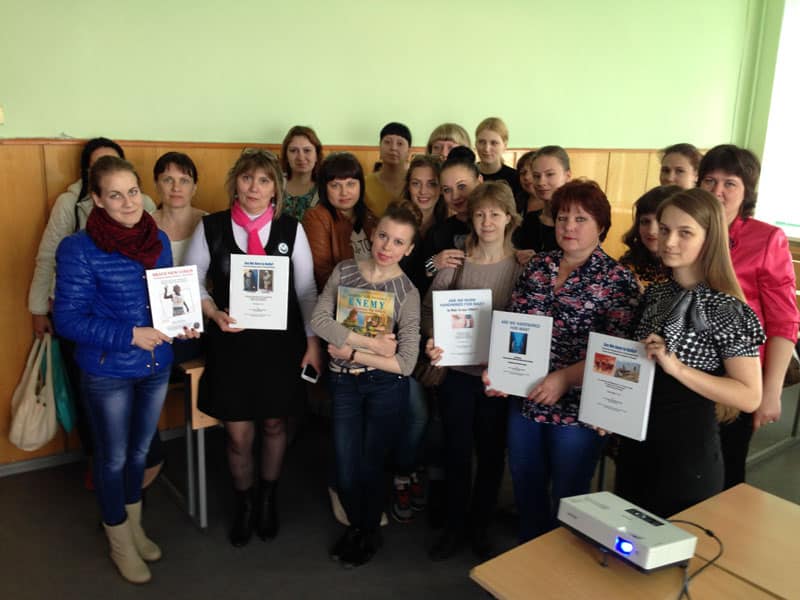
The Atrium Society is working with Rajib Timalsina who teaches and travels extensively throughout Asia and abroad, bringing the Atrium Society’s BioCognetic Peace Education to the most vulnerable and in-need.
Current Project
Teacher Training in Nigeria
The Atrium Society is working with the ASHH Foundation, a locally-run non-profit in Nigeria. The ASHH Foundation is training teachers on bully prevention using our curricula and has seen tremendous growth and support since beginning in 2021.
Over the next five years, the ASHH Foundation aims to train 5,000 teachers and reach 100,000 students in BioCognetic Peace Education.
Current Project
MAP STARS Teacher Training
Online training for teachers, parents, and anyone interested in teaching bullying and conflict resolution to children and youth. You can start teaching right away!
Includes direct access to our instructors and step-by-step lessons so that you feel supported.
Past Projects
The Atrium Society has been involved in numerous projects. Learn more about our impact below.